Fire Damage & Soot Testing in Texas
Identify Contamination Before Restoration Begins!
Accurate testing reveals the true extent of damage, helping you plan safe, effective restoration the first time.
Fire Damage and Soot Testing
Why Soot Testing Matters
Identifies hidden contamination:
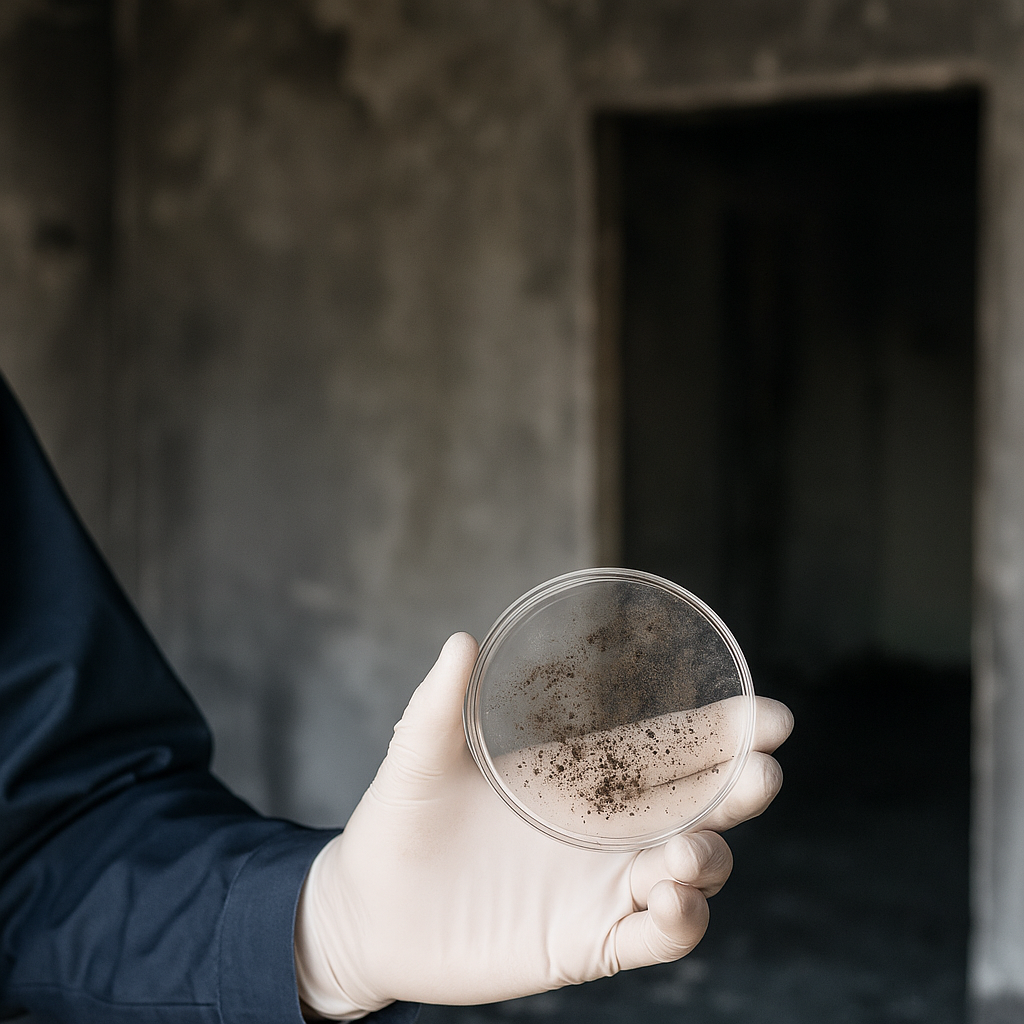
Soot particles are often microscopic and can penetrate deeply into walls, carpets, furniture, and HVAC systems, causing ongoing health risks even after the visible fire is gone.
Different types of soot require different cleaning methods; testing helps identify the specific type of soot, ensuring professionals use the right techniques to clean it completely.
Cleaning without proper testing can spread microscopic soot and ash to clean areas, potentially making the contamination worse.
Documents the extent of the damage:
Testing provides a baseline assessment that helps your contractor and insurance company understand the full scope of the damage, which is crucial for a proper cleanup plan and insurance claims.
Soot from burning plastics and synthetics can contain toxic chemicals and volatile organic compounds (VOCs) that are harmful to your health if inhaled or absorbed through the skin.
The acidic nature of soot can cause corrosion and staining on metal, glass, and other surfaces, which will continue to worsen over time if the soot is not removed properly.
Have a recent leak? See Water Damage Restoration
Battling odors, too? See Odor Removal (BioSweep®)
Our Testing Process
(Step by Step)
Initial Assessment
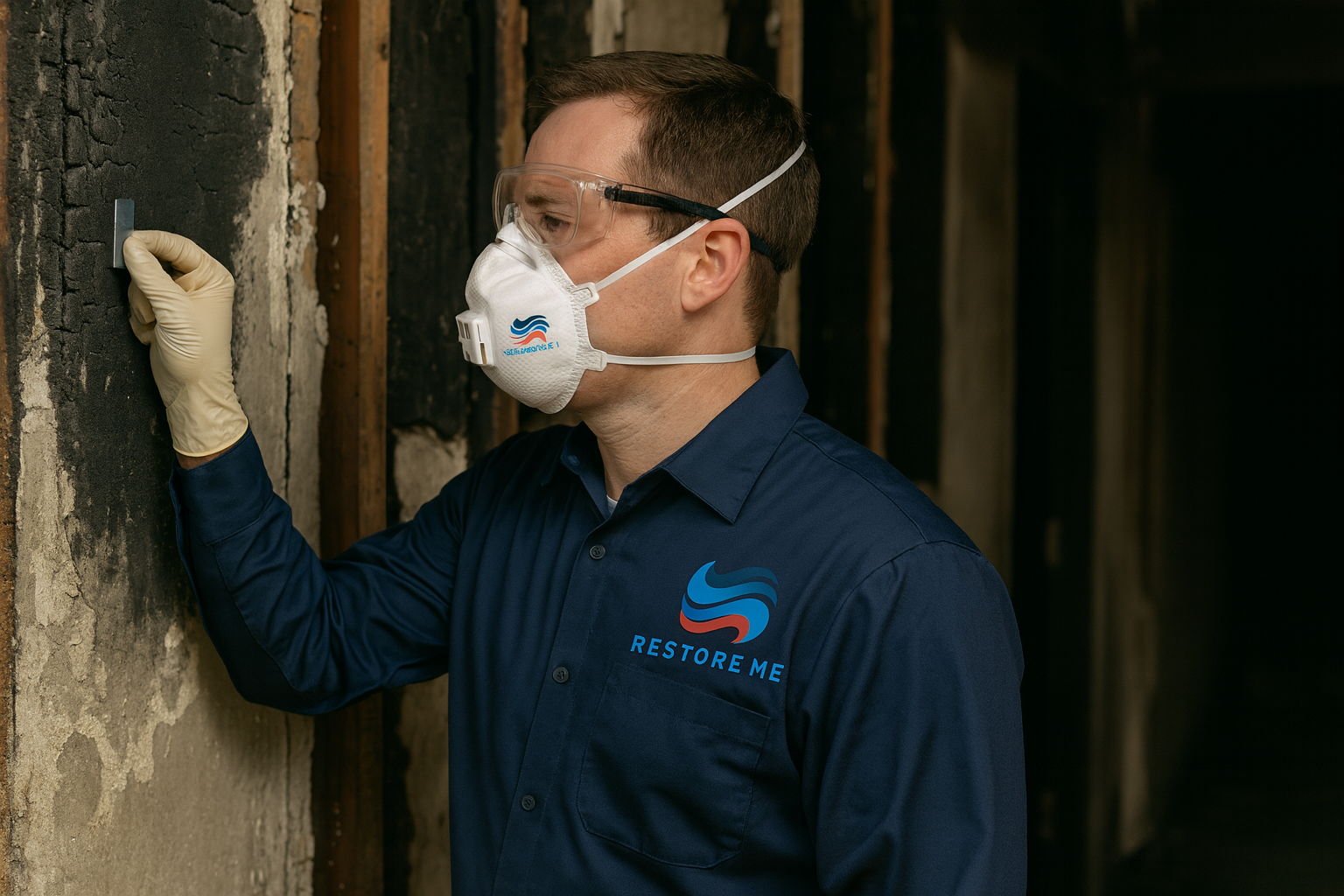
Our certified technicians inspect the affected areas, identify visible and hidden damage, and determine where samples should be taken.
Sample Collection
We use industry-standard methods (tape lift, wipe, or bulk) to collect surface samples safely and accurately.
Laboratory Analysis
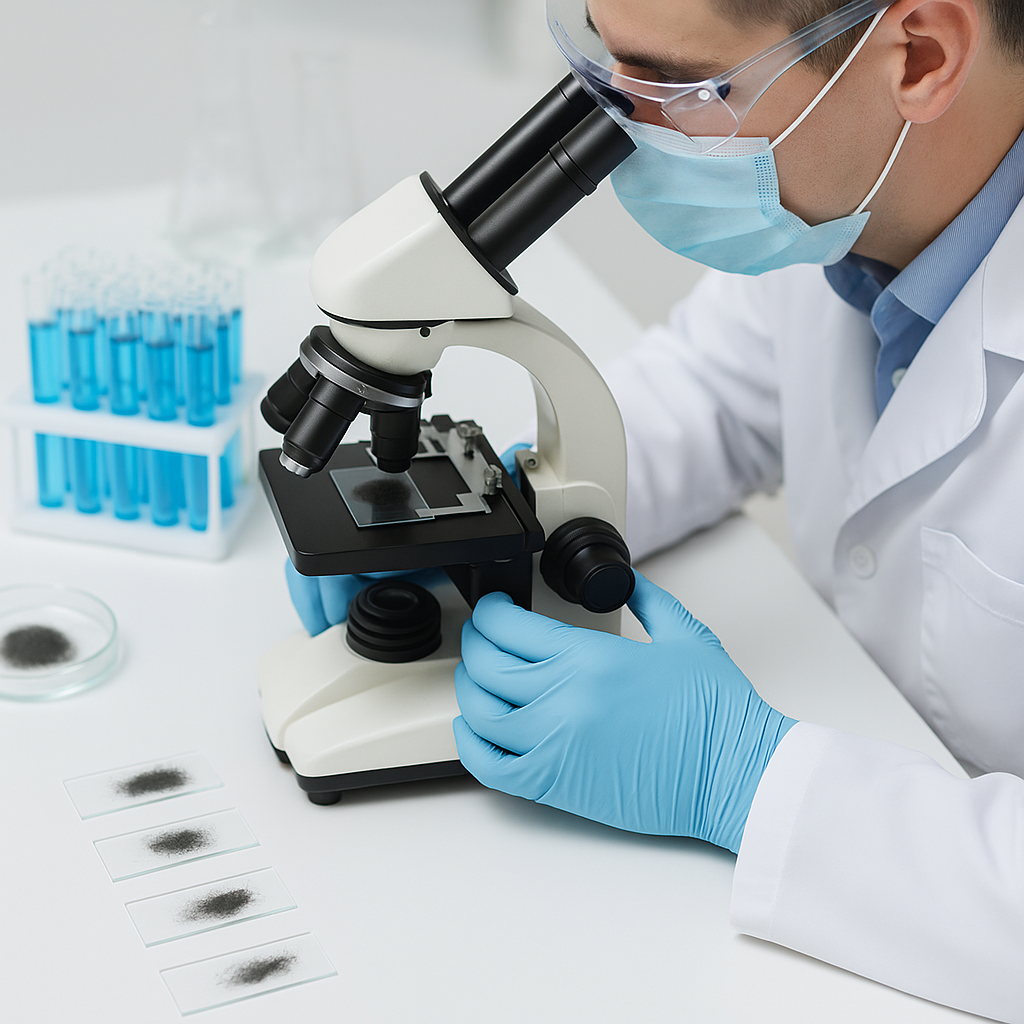
Each sample undergoes microscopic and chemical analysis to identify soot composition, origin, and spread.
Detailed Reporting
You’ll receive a clear, documented report showing:
Type of soot identified
Level of contamination
Visual documentation and sampling map
Recommended next steps
Who We Serve
Soot Testing Services for…
Insurance Adjusters & Claims Managers
For accurate, defensible evidence of fire-related contamination.
Restoration Contractors
To guide safe cleaning methods and avoid recontamination.Property Managers & Realtors
To ensure properties are safe and ready for re-occupancy.*Consultation & Support*
We review results with you and your team, helping adjusters and contractors make informed restoration decisions backed by evidence.
💬 We’ve helped clients verify claim scope, avoid costly errors, and streamline restoration planning.
Why Choose RESTORE ME
-
Certified Testing and Results
Independent Lab Analysis Using Industry Standards
-

Quick Turnaround Time
Lab Results - Summary Report in a timely matter.
-
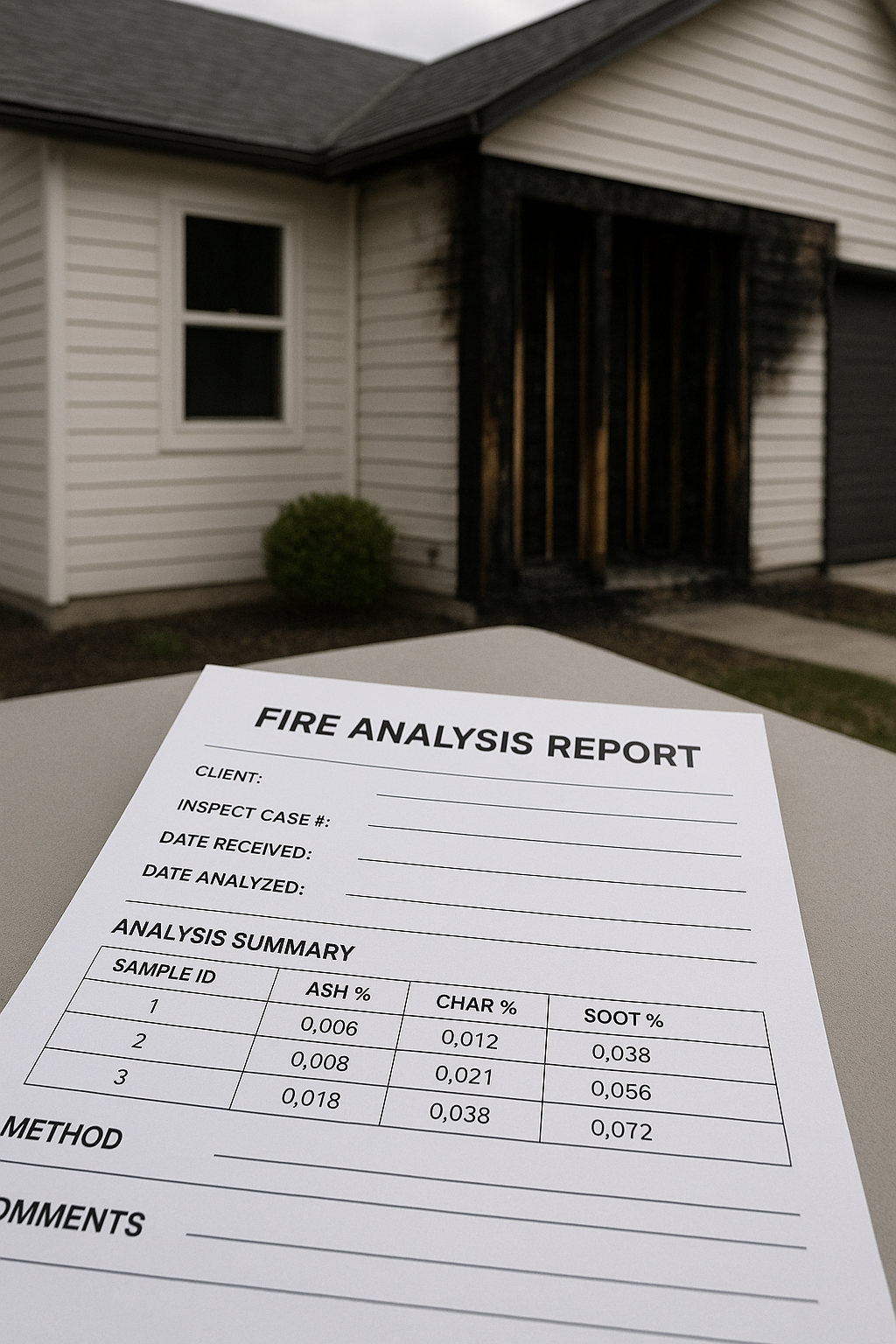
Evidence-Based Reporting
Formatted for Insurance and project documentation.
-
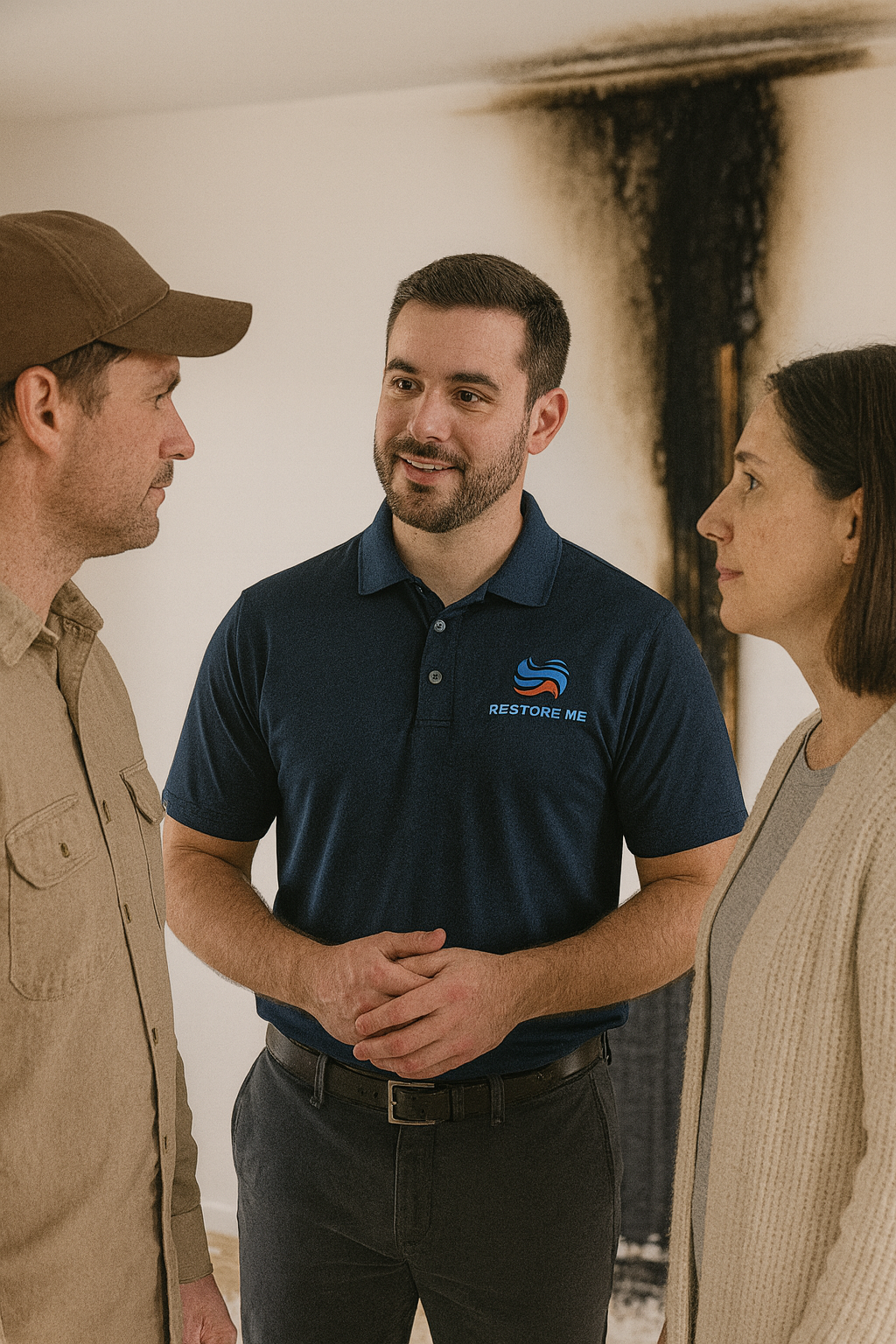
Professional Guidance
Experienced Fire Loss Inspector and Testing

Service Areas - Texas
Greater Houston Area
Katy
Sugar Land
The Woodlands and nearby
League City
Friendswood
Pasadena
Spring
Kingwood
Cypress
Magnolia

Greater San Antonio Area
Bulverde
Boerne
Helotes
Leon Valley
Timberwood Park
Alamo Heights
Converse
New Braunfels
San Marcos
Greater Austin Area
Round Rock
Cedar Park
Leander
Pflugerville
Georgetown and nearby
Lakeway
Spicewood
Kyle
Buda
Manor
Greater Dallas / Fort Worth Area
Waxahachie
Mesquite
Garland
Richardson
Grapevine
Arlington
Irving
Mansfield
Proven Answers
Frequently Asked Questions
-
To confirm that cleanup efforts will be effective and to ensure all harmful particles are removed. Testing identifies invisible contamination that can be a health hazard, prevents spreading soot during cleaning, and determines the correct cleaning methods needed. It also provides documentation for insurance companies and helps prevent damage from acidic soot that can etch surfaces and corrode materials over time.
-
Ideally within the first week after the incident to prevent cross-contamination and gather the most accurate results.
-
Our testing will
-
The results usually take 3 days. Then we turnaround and get a report out within 2 days, so you can move forward with guidance.
-
Absolutely. We’ll share findings and consult with your contractor, so they can proceed with work based on clear results and guidance.
